
Upcycle a Classic Wagon into a Mobile Display Stand for Craft Markets
Turn a child wagon into a charming, mobile market display with this step-by-step upcycle guide.
Upcycle a Classic Wagon into a Mobile Display Stand for Craft Markets
If you want a vendor setup that feels memorable, practical, and genuinely charming, a wagon can do a lot more than haul kids and beach gear. With the right plan, you can upcycle wagon hardware into a rolling centerpiece for your booth, creating a mobile display that doubles as a photo prop and conversation starter. This guide walks you through the full build: choosing a wagon, prepping it safely, styling it for product presentation, and using it as a flexible DIY market booth feature that works at weekend markets, festivals, and family events. For inspiration on what’s trending in the wagon category and why versatile designs are resonating with shoppers, see our note on child wagon trends and practical repurposing alongside the broader market shift toward eco-friendly materials described in sustainable mobility product ideas.
What makes this project especially effective is the mix of utility and storytelling. Buyers at craft markets respond to displays that feel handmade, intentional, and aligned with the product itself, which is why a wagon-based setup can strengthen your branding before you even say hello. If you sell toys, children’s gifts, paper goods, flowers, baked treats, or small decor, this build can become part of your toy presentation or gift staging strategy. It also supports the sustainability mindset many shoppers now look for, echoing the same eco-forward logic behind how shoppers verify sustainability claims and the practical value of a true sustainable upcycle.
Why a Wagon Is One of the Best Mobile Display Bases
A wagon already solves the hardest booth problem: portability
Most vendor display problems start before setup even begins. Tables are awkward, bins are heavy, and props that look good on paper can be miserable to transport. A child wagon repurpose project sidesteps that issue because the platform is already on wheels, already low to the ground, and built to carry weight across uneven surfaces. That makes it ideal for outdoor festivals, parking-lot markets, and family-friendly events where you need to move fast and adapt on the fly.
Another advantage is visual scale. A wagon naturally creates a contained stage for products, so even a small inventory looks curated instead of scattered. This matters for sellers who need a compact but polished vendor display ideas solution that can anchor a booth corner or function as a roaming sample station. If you’re weighing whether to upgrade an existing setup or keep using folding bins and tabletop risers, our guide on when to upgrade gear during fast product cycles offers a useful decision framework.
The wagon creates a story customers remember
Shoppers often remember the display as much as the product. A wagon styled with soft textiles, signage, and product groupings can feel nostalgic, playful, and handcrafted at the same time. That’s valuable if your booth serves families, because the display itself becomes part of the experience rather than just a shelf. For sellers of dolls, plush toys, nursery items, or handmade keepsakes, this is especially powerful because the wagon functions as both storage and a themed stage for craft market prop styling.
There’s also a strong sustainability signal. Reusing a wagon reduces waste, extends the life of a product, and signals resourcefulness in a way many shoppers appreciate. This is similar in spirit to the consumer logic behind verifying sustainable materials and the broader market trend toward eco-conscious purchasing. A thoughtful upcycled display tells people your brand values are real, not just printed on a banner.
It can adapt to many product types
One of the most useful features of this project is flexibility. The same wagon can be dressed up for soaps and candles, reconfigured for children’s books and toys, or turned into a sweet treat station for baked goods and packaged snacks. Because the build is modular, you can swap inserts, baskets, crates, and signs without rebuilding the whole display each season. If you like the idea of repurposed inventory systems and flexible resale-friendly storage, take a look at our guide to reuse and resale management for a useful mindset shift.
What You Need Before You Start
Choose the right wagon body
Not every wagon is a good candidate for a display build. The best options are sturdy, easy to roll, and wide enough to hold grouped products without looking cluttered. Fixed wagons offer better stability, while foldable wagons can help if you need a compact haul between events. The market is also seeing more multi-functional and eco-friendly designs, which aligns well with repurposing work. If you want a broader sense of product evolution and why buyers like versatility, the market overview in child wagon trend coverage is a helpful grounding point.
When inspecting a wagon, check the axle, wheels, handle, and frame for wobble or cracking. A display wagon may not carry children anymore, but it still needs to roll safely when loaded with ceramics, books, or heavy packaged goods. If you’re working with a used wagon, clean and test it outside before decorating. For sellers who build on a budget, the same kind of smart purchase discipline seen in timing and savings strategies can help you source a good base without overspending.
Gather materials for structure and styling
You’ll need more than paint to make the wagon function as a real mobile display. Plan on paint or sealant, sandpaper, rust treatment if needed, weather-resistant fabric, removable bins or crates, cable ties, mounting clips, removable shelving, and a sign holder. If your booth operates outdoors, think about weighted add-ons or ground anchors so the display stays put in wind. For vendors who like to compare gear carefully, a buying checklist approach similar to premium accessory comparisons can be very useful when selecting finishes and hardware.
For a family-focused look, choose colors that support your products rather than compete with them. Neutral wood tones, soft whites, muted greens, and warm canvas often work well because they photograph beautifully and let bright toys or crafts stand out. If you need help choosing materials that won’t quickly show wear, our article on elastic adhesives for flexible joints can help you think through durable attachment points, while when to save versus splurge is a good analogy for deciding which parts deserve premium upgrades.
Safety and event compliance matter
Even though this is a craft project, it still lives in the real world of markets, foot traffic, and weather. Make sure any edges are smoothed, any paint is cured, and any added shelves or baskets are secured so they don’t shift while you’re rolling the wagon or setting up. If you’re displaying items near children, avoid tiny loose pieces at the front edge and keep breakables lower and stable. For vendors working crowded fairs, the logistics lessons in how to avoid festival add-on costs can help you anticipate hidden setup expenses like table weights, parking, or extra passes.
Step-by-Step Build: Turning the Wagon into a Display
Step 1: Deep clean, inspect, and prep the frame
Start with a complete wash using mild soap and water, then dry everything thoroughly. Remove stickers, dirt, loose rust, and any brittle fabric or padding. If the wagon has old paint chips or surface corrosion, sand those areas and use the appropriate primer or rust converter before applying a new finish. This is the moment to decide whether you’re preserving a vintage look or aiming for a more polished retail aesthetic.
Think of prep work as the hidden foundation of the whole build. A display that looks great in photos but fails on a windy Saturday is not a win, so don’t rush the structural steps. In product terms, this is similar to the careful verification logic used in buyer evaluation checklists: surface polish matters, but dependable structure matters more.
Step 2: Paint or seal with the event environment in mind
Choose a finish that stands up to sun, dust, and repeated loading. Matte paints can feel modern and soft, while satin finishes are easier to wipe clean during busy market days. If the wagon will live outdoors between events, use an exterior-grade sealant or weatherproof topcoat. If the frame is metal, ensure the coating is compatible with your surface and let it cure fully before adding fabric or adhesive elements.
Color choice should support the emotions you want buyers to feel. A cream or wood-tone wagon can create a rustic artisan feel, while pastel finishes are excellent for children’s brands, toy sellers, or baby gift tables. For sellers interested in broader presentation strategy, the advice in frictionless service design translates surprisingly well: reduce visual friction, make products easy to browse, and guide the eye naturally from sign to star items.
Step 3: Build the display layers
Now comes the fun part: turning a transport object into a merchandising system. Start with a base layer such as a fitted liner, wooden crate insert, or removable shelf board cut to wagon dimensions. Then add risers of different heights so products don’t sit flat and invisible. Small crates, open baskets, and tiered blocks can create a stepped effect that’s especially useful for packaged toys, stationery, handmade soaps, or small décor.
If your market booth needs to serve multiple roles, make everything modular. Use removable baskets for small items, clip-on sign holders for pricing, and collapsible containers for restocking. That’s the same kind of flexibility seen in creative ops systems for small teams: the best setup is one you can adjust without starting over.
Step 4: Add branding and signage
A wagon display becomes much more effective when customers can identify your brand from across the aisle. Add a small front sign, a hanging name plate, or a backboard with your logo and social handle. Keep the design readable at a glance and make sure the sign doesn’t block the products. For a handmade feel, use wood, canvas, or chalkboard styling rather than glossy printed plastic, unless your brand look is deliberately sleek.
Clear branding matters because markets are crowded and shoppers often scan quickly. You’re not just building a prop; you’re building recognition. If you want to think about presentation in terms of shareability and audience pull, the storytelling tactics in repurposing content for audience growth offer a useful parallel: the best display communicates your message instantly and repeatedly.
Pro Tip: Build the wagon display so it can transition in under 10 minutes. If you can load product bins, clip on your sign, and adjust your top layer quickly, you’ll use it more often and feel less stressed on market mornings.
How to Style the Wagon for Different Selling Situations
For craft markets and artisan fairs
At a craft market, the wagon should feel like a tiny curated shop on wheels. Use neutral fabrics, high-quality labels, and grouped products by color or scent to create a boutique experience. A basket of small impulse items near the front edge is a good way to encourage add-on sales, but keep the wagon from looking crowded. Use height variation and breathing room to make the products feel special rather than stacked.
This is also where your mobile display can help tell a story about process and materials. A few tools, raw materials, or an “in progress” sample can help customers understand the craftsmanship behind the finished goods. For vendors who like understanding category-level shopping behavior, the retail trend insight in consumer data for pricing and packaging can help you think about how presentation influences conversion.
For family events and children’s products
If you’re selling at festivals, school events, or family markets, use the wagon as a playful product presentation unit. It works beautifully for toy bundles, activity kits, children’s books, stuffed animals, and party favors. Soft fabric linings, bunting, and small illustrated signs can make the setup feel whimsical without becoming chaotic. This is where the phrase craft market prop really earns its keep, because the wagon becomes part of the emotional draw.
Keep safety at the center of the design. Avoid sharp corners, reduce loose cords, and keep heavier items lower in the wagon. If your display includes small toys, make sure the front row is organized and easy to supervise. For broader family budgeting and purchasing context, our guide on how child care costs affect family budgets is useful background for understanding why shoppers often seek value, quality, and durability in family-oriented products.
For photo props and social media content
A wagon display can also work as a photo prop, especially if your product line is visually appealing. Position your strongest items where the eye naturally lands, then style the wagon with one or two signature textures such as linen, gingham, dried florals, or kraft paper. If you sell seasonal items, the wagon can be adapted with pumpkins, spring flowers, or holiday accents to create fresh content for every market cycle. The visual payoff can be huge because one well-composed setup can generate booth photos, product closeups, and social posts all in one session.
For sellers building marketing systems alongside their physical setup, the media strategy in better technical storytelling for demos translates nicely: if the display tells a clear story, your photography becomes easier and more persuasive. That efficiency matters when you only have a few minutes of good light and a busy event schedule.
Practical Display Layouts That Actually Sell
Use the “hero, helper, and fill” model
One of the easiest ways to merchandise a wagon is to divide it into three visual roles. The hero item is the product you most want people to notice; the helper items support that story by showing related variants or bundles; and the fill items complete the scene without stealing attention. This structure works well in compact displays because it creates focus. Without it, a wagon can turn into a crowded basket of randomness.
For example, if you sell handmade wooden toys, your hero might be a signature stacking set, supported by smaller accessories or gift wrapping options. If you sell baked goods, the hero could be a featured seasonal cookie box, supported by sample packs and best-seller packs. This kind of arrangement mirrors the planning discipline used in structured weekly planning systems: you get better outcomes when every piece has a job.
Design for one-handed browsing
Market shoppers often hold coffee, a child’s hand, or another purchase while browsing. Your wagon display should therefore be easy to read and interact with using one free hand. Keep labels upright, avoid overly deep bins, and make sure products aren’t buried. If you can, place top sellers toward the front half of the wagon and reserve the back half for overflow or less tactile items.
This is also where mobile practicality matters. The more your setup requires constant rearranging, the less time you’ll spend engaging customers. Think of it like designing for deskless workers: the environment shapes what’s usable, and the best tools are the ones that fit the real workflow, not the ideal one. That principle echoes the lesson in designing for deskless work environments.
Keep a restock lane and a demo lane
If your wagon has enough depth, treat one side or section as a restock area and the other as the demo or customer-facing area. This helps prevent the wagon from looking empty after a few sales and reduces the chaos of opening boxes in public. A hidden lower basket or back compartment can hold extras, packaging, business cards, and cash box essentials. That separation is a small thing that can make your booth feel far more professional.
For vendors who frequently transport and reconfigure gear, a system like the one in building a travel-friendly kit is a smart reference point. The principle is the same: everything has a place, and the most frequently used items should be easiest to reach.
Budget, Time, and Durability: What to Expect
Typical cost ranges
The cost of this project depends on whether you already own the wagon and what level of finish you want. A basic refresh using paint, sealant, and a few baskets may stay relatively affordable, while a fully branded display with custom boards and weatherproof hardware will cost more. Because market sellers often balance setup costs against expected sales, it helps to think in terms of long-term value rather than just upfront spend. For many vendors, one durable display that works across multiple seasons is a better investment than several disposable props.
| Component | Budget Option | Mid-Range | Premium |
|---|---|---|---|
| Wagon base | Secondhand child wagon | Clean used foldable wagon | Heavy-duty decorative wagon |
| Finish | Basic spray paint | Exterior paint + sealant | Pro-grade coating + weatherproofing |
| Display insert | Cardboard or foam board | Wooden risers and crates | Custom-cut shelving and liners |
| Branding | Handwritten sign | Printed sign + logo board | Custom branded panel and awning |
| Accessories | One basket and clip-ons | Multiple bins and labels | Modular organizers, lighting, and covers |
For sellers who think carefully about pricing and add-on costs, the lesson in festival fee management is especially relevant. Even a clever DIY display can become expensive if you ignore transport, weather protection, and replacement parts.
How long the build takes
If the wagon is already in good shape, you can complete a basic version in a weekend. A more refined build with multiple coats, custom inserts, and branding may take several evenings plus curing time. The biggest time trap is usually waiting for paint or adhesive to dry, so plan around that early. If you’re preparing for a specific market date, finish the structural work first and leave decorative elements for last.
One efficient strategy is to prototype the layout on the floor before attaching anything permanently. That way you can test spacing, product visibility, and balance without committing to a final arrangement. This “try before you lock it in” process reflects the same disciplined approach used in process optimization: measure, test, refine.
How to keep it durable
The most durable displays use materials that tolerate repeated handling. That means washable fabrics, reinforced attachment points, and hardware that won’t loosen after a few markets. If you expect rain, sun, dust, or vibration during transport, focus on weatherproofing and abrasion resistance. Woven liners may look lovely, but if they fray after three events they become false economy. This is where a durable, sustainable upcycle really pays off.
It’s also worth maintaining the display the way you would any business asset. Keep a small repair kit with touch-up paint, glue, zip ties, a microfiber cloth, and spare clips. If you’re serious about efficient booth operations, the systems thinking in creative operations and the efficiency mindset in save vs. splurge decisions can help you prioritize where durability matters most.
Real-World Ways Vendors Can Use the Wagon Display
Booth anchor for a family product line
A seller of children’s toys, activity kits, or seasonal gifts can use the wagon as the emotional centerpiece of the booth. Place the best-selling items in the wagon and use side tables for overflow stock, checkout, or packaging. The wagon then acts like a beacon, drawing customers toward the core of the brand. Because it is mobile, you can also reposition it depending on foot traffic and sunlight.
This type of setup aligns closely with the rise in flexible, multi-use consumer products. It benefits from the same broad market appetite for adaptability highlighted in wagon market trend coverage and the consumer preference for convenience seen across modern family retail.
Pop-up photo corner for social content
If your business relies on Instagram, Pinterest, or Etsy-style visual marketing, the wagon can become a branded content corner. Add one seasonal backdrop element, a crate stack, and a few signature items, and you have a repeatable set for product photography. That consistency helps build recognizable visual branding over time. It also saves you from improvising a new photo setup at every event.
For brands that need stronger storytelling, the content lessons in repurposing insights into content are useful because they remind you to extract multiple assets from one setup. One wagon display can produce still photos, short videos, and booth signage inspiration all at once.
Portable mini-shop for seasonal sales
For holiday markets, themed fairs, or community festivals, the wagon can become a compact seasonal shop. Add a garland, a seasonal topper, and a limited product assortment so the display feels intentional rather than overcrowded. Because it’s on wheels, you can also use it as a rolling restock station behind the booth when not actively on the sales floor. That makes it one of the most versatile vendor display ideas for small spaces.
If you’re thinking ahead to future upgrades, consider how your wagon could evolve with your business. A better sign, stronger shelves, or a custom cover can all be added later. That staged approach is similar to the advice in gear upgrade timing: start with the version that works now, then refine with evidence from actual sales.
Troubleshooting and Maintenance
If the wagon feels wobbly
Check the wheel alignment, axle tightness, and load distribution. A wobbly display is often just a balance problem, not a total failure. Move heavier items lower and closer to the center, and avoid stacking too much weight at one end. If the frame itself is compromised, stop using it for transport until it has been repaired.
If products keep sliding around
Add liner material with grip, small non-slip pads, or fitted dividers. Consider using baskets and crates instead of loose display piles. For fragile products, use inner boxes or wrapped sample trays so the display remains visually abundant without becoming unstable. You want the wagon to look full, not precarious.
If the style feels too busy
Simplify the color palette and reduce the number of object types. A display usually looks more expensive when there is more breathing room, not more stuff. Remove any element that doesn’t support the product story, then bring back only the pieces that reinforce your brand. The result is a cleaner and more confident presentation.
Pro Tip: When in doubt, photograph the wagon from six feet away. If you can’t instantly tell what you sell and why it’s special, simplify the layout before your next market day.
FAQ
Can I use any child wagon for this project?
Most child wagons can be repurposed, but sturdy frames with solid wheels and enough interior width are the best candidates. Foldable wagons are easier to transport, while fixed wagons often feel more stable on display. Always inspect for damage, rust, or loose joints before you start.
What products work best in a wagon display?
Small to medium products with good visual appeal work best, including toys, books, candles, soaps, baked goods, stationery, and seasonal gifts. The key is to avoid items that are too tall, too fragile, or too unstable in motion. Products should be easy to browse and easy to restock.
How do I make the wagon look professional instead of homemade?
Use a consistent color palette, clean signage, and intentional spacing. Add one or two branded elements and keep the rest simple so the products remain the focus. Professional-looking displays often succeed because they look calm and organized rather than overloaded.
Is this display safe for outdoor markets?
Yes, if you plan for weather and foot traffic. Use durable finishes, secure all accessories, and keep heavier items low in the wagon. If wind is an issue, add weights or anchors and avoid top-heavy styling.
How can I adapt the wagon for different seasons?
Swap fabrics, signage, and accent pieces while keeping the base structure the same. Spring might mean florals and pastels, while fall could use warm textiles and natural textures. A modular system makes it easy to refresh the display without rebuilding it from scratch.
Can the wagon also be used as a photo prop?
Absolutely. In fact, that’s one of its biggest advantages. A well-styled wagon can function as both a sales display and a branded photo backdrop, helping you create social content while you sell.
Conclusion: A Small Wagon Can Become a Big Sales Asset
An upcycled wagon is more than a cute prop. Done well, it becomes a dependable mobile display, a storytelling tool, and a practical sales asset that makes your booth easier to run and more memorable to shop. It fits the needs of vendors who want charm without clutter, mobility without hassle, and sustainability without sacrificing presentation. If you’re ready to build a booth feature that works hard and photographs beautifully, this is one of the smartest DIY projects you can make.
For more ideas on display strategy, vendor prep, and smart buying decisions, explore our guides on festival cost planning, consumer data for product planning, outdoor retail trends, and creative ops for small teams. A well-built wagon display can help your products stand out, your booth feel polished, and your brand feel instantly more human.
Related Reading
- Child Wagon Trends 2026-2033 - Learn why multi-use wagon designs are becoming more popular.
- Verify Sustainability Claims in Textiles - See how shoppers evaluate eco-friendly materials.
- How to Dodge Add-On Fees at Festivals - Plan for the hidden costs of selling at events.
- Upgrade or Wait? Gear Buying Timing - Decide when a booth upgrade is worth the spend.
- Creative Ops for Small Agencies - Borrow simple systems that make busy selling days easier.
Related Topics
Maya Bennett
Senior Editor, DIY & Projects
Senior editor and content strategist. Writing about technology, design, and the future of digital media. Follow along for deep dives into the industry's moving parts.
Up Next
More stories handpicked for you

Pop-Up Toy Shops: How to Lease Short-Term Space for Launch Events
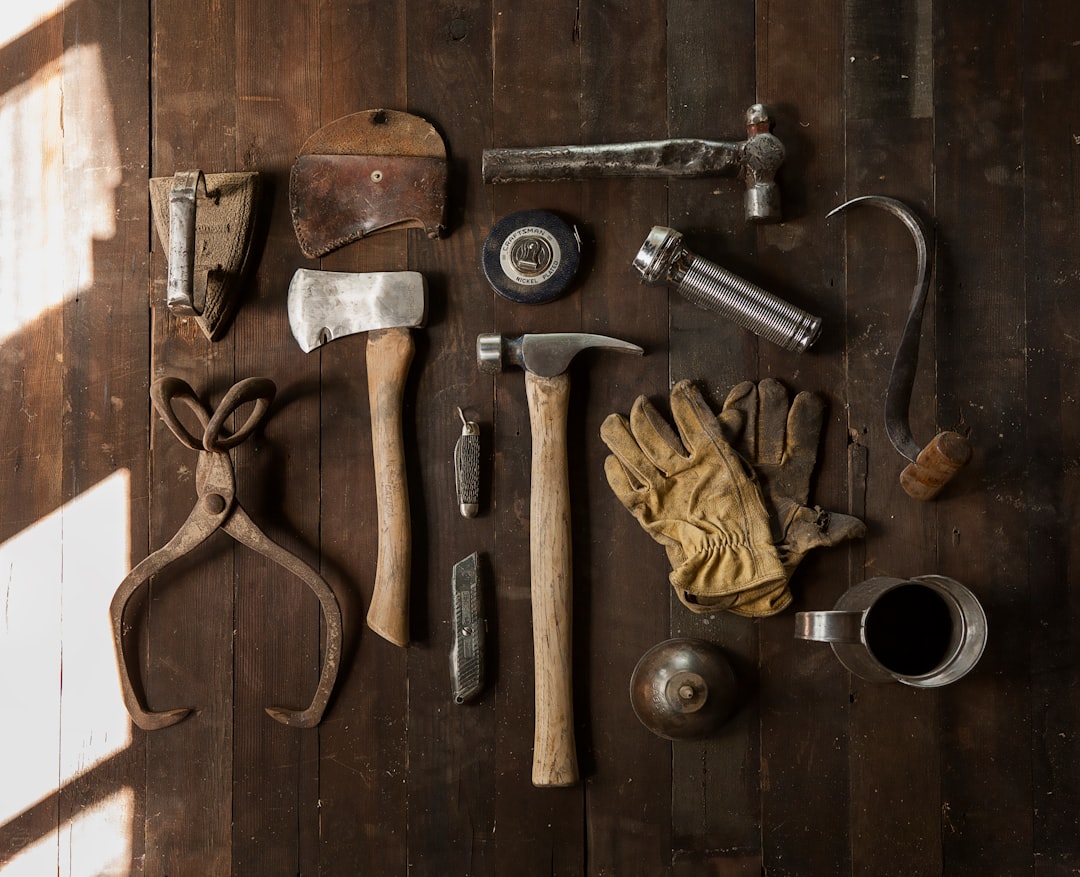
A Beginner’s Guide to Essential Tools for Hobbyists in 2026

Use Generative AI to Vet Your Collectible Concept Before You Manufacture

Patents for Toy Makers: A Friendly Starter Guide to Protecting Your Designs

Nail Biting and Crafty Tension: How to Host a 'The Traitors' Watch Party
From Our Network
Trending stories across our publication group
From Kei Cars to Kawaii: Turning Real Mini Cars into Toy-Worthy Room Decor

From Plush to Pixels: How Kid-Focused IP Like Baby Shark Is Expanding Into Games and Digital Collectibles

Raising Thoughtful Kids: How to Talk About Diversity Using Toys

Clean Play: A Toy Shop’s Guide to Safe, Store‑Scale Cleaning Supplies

Toy Subscription for Daycares: Designing Rental Programs to Serve a Booming Market
